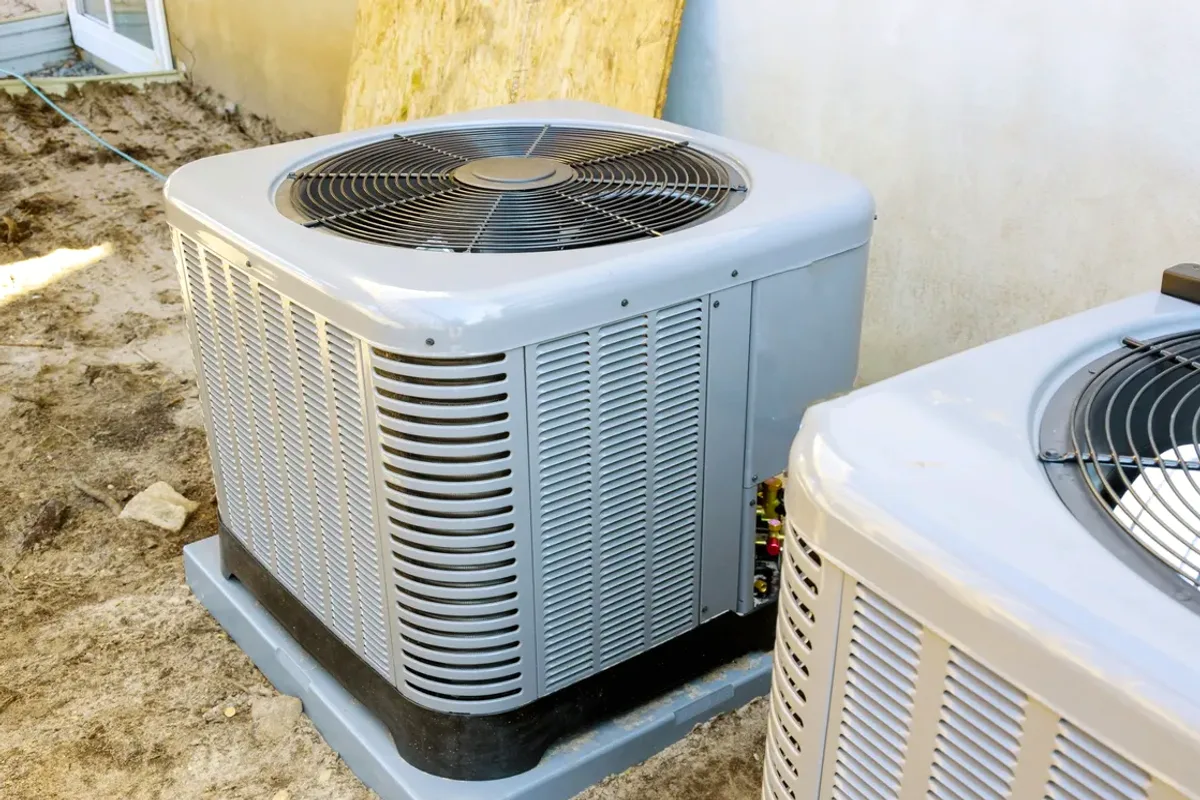
Does the cooling problem affect a central air system, a ductless unit, or both?
Warm supply air, a unit that will not start, or uneven cooling can arise from different faults in central air conditioning and ductless mini-split equipment. Diagnosis begins with the reported symptoms and system behavior, then may include electrical components, airflow, coils, controls, and refrigerant-circuit checks by a qualified service professional. These findings separate a repairable electrical or airflow issue from a refrigerant leak or a more extensive component fault. Maintenance and replacement are separate decisions based on inspection and equipment condition.
Record which rooms or indoor units are affected, when cooling changes, and any displayed fault indication. A service assessment can compare those observations with airflow, electrical operation, coil condition, and refrigerant-system evidence. This matters because a central system and a ductless unit distribute cooling differently, and similar symptoms can point to different repair scopes.
Central air and ductless system fault diagnosis
Electrical, airflow, coil, and refrigerant checks
Repair, maintenance, and replacement decisions
Assessment and Scope
Questions for the Proposed Work
01
Separate electrical faults from cooling-circuit faults
A central air conditioner that does not start may have an electrical fault involving a capacitor, contactor, relay, or control, while weak cooling can involve airflow, coils, or the refrigerant circuit. Ductless systems also require attention to indoor-unit operation and communication with the outdoor unit. Comparing the observed sequence and measurements helps locate the actual fault before deciding whether a component repair or further system work is warranted.
02
Base maintenance on inspection findings
An inspection may consider coil condition, airflow, electrical contacts, thermostat response, and refrigerant-system operation. The appropriate work depends on equipment instructions and what the inspection shows; a refrigerant adjustment should not be assumed when airflow or another fault could explain the symptom. For ductless equipment, the indoor heads and their filters are part of the system assessment, while central equipment also depends on its air-distribution path.
03
Use condition, not age alone, to weigh replacement
A repair may suit an isolated fault when the rest of the cooling equipment remains serviceable. Replacement deserves consideration when major components are damaged, repair needs are recurring, or the equipment no longer fits the property’s cooling distribution. Comparing the specific repair, condition of the coils and compressor, and compatibility with existing controls and ducts can make the choice clearer without treating one age threshold as decisive.
Compare the next step
Identify whether each earlier repair addressed the same diagnosed cause or a different symptom. Ask which measurements support the next recommendation and how the completed repair will be verified. Compare the complete fault history with a replacement proposal before treating repeated visits as proof that replacement is unavoidable.
Do not open electrical panels or handle refrigerant. If ice, water near electrical equipment, or abnormal operation is present, stop using the affected system and request an assessment.