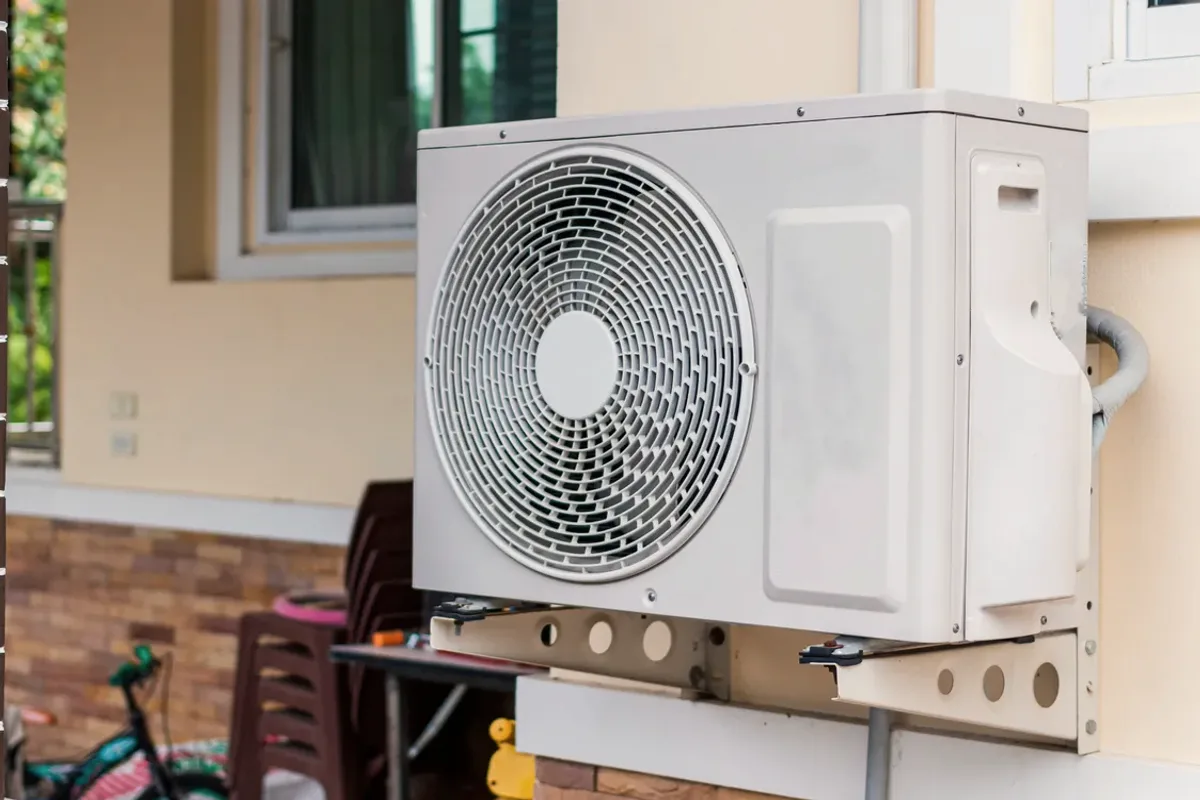
Request heat pump repair & installation for a property in Guelph. Include the equipment, the problem or planned work, and your location so the request can be reviewed.
Is the heat pump failing in heating mode, cooling mode, or during a change between modes?
A heat pump that does not heat, cool, or change modes as expected may have a control, airflow, electrical, or refrigerant-circuit problem. Repair diagnosis should establish which operating mode is affected and compare the symptom with the equipment’s behavior and fault records. Installation is a separate decision that involves the building’s heating and cooling requirements, existing ductwork or indoor-unit arrangement, and compatible controls. Cold-climate models and other heat-pump configurations have different application considerations that should be evaluated for the property.
Record the affected mode, any displayed fault, and whether the issue is consistent or intermittent. An assessment can compare those details with equipment readings, airflow, control settings, and the condition of the existing system. This helps distinguish a repairable component fault from a sizing, compatibility, or equipment-condition concern relevant to replacement.
Heating- and cooling-mode heat-pump diagnosis
Cold-climate model and system compatibility assessment
Heat-pump repair and installation decisions
Assessment and Scope
Questions for the Proposed Work
01
Diagnose the affected operating mode
Heating and cooling symptoms can share causes, but the operating mode helps narrow the checks. Assessment may consider thermostat calls, indoor and outdoor unit response, airflow, defrost behavior where applicable, electrical components, and refrigerant-circuit evidence. A noise or uneven temperature alone does not identify the failed part. Comparing the observed sequence with the unit’s model and fault information helps determine whether repair is appropriate.
02
Assess installation fit before selecting equipment
A replacement heat pump should be considered in relation to the building’s heating and cooling requirements, the existing ductwork or ductless layout, and control compatibility. Where heating during colder conditions is required, the suitability of a cold-climate model is a specific selection question, not a generic feature assumption. Load information and equipment specifications help define the system and identify whether related distribution changes belong in the project.
03
Keep repair and replacement as separate choices
An isolated fault may support repair if the remaining equipment is in serviceable condition and the required parts are available. Replacement may merit comparison when repairs recur, a major component is damaged, or the existing system does not suit the property’s needs. Reviewing the fault evidence, equipment condition, and expected scope of any distribution or control changes gives a more grounded basis for deciding between the options.
Compare the next step
Organize the fault record by operating mode, outdoor conditions, and backup response. Ask what distinguishes the proposed diagnosis from previous assumptions. The service report should explain the cause, work performed, operating checks, and any remaining limitation so future assessment does not begin from an incomplete history.
Cold-climate capability does not prove that one model covers every home heating load. Ask how the selected equipment and supplementary heat meet the actual design requirements.