What information helps distinguish a furnace ignition fault from an airflow or control problem?
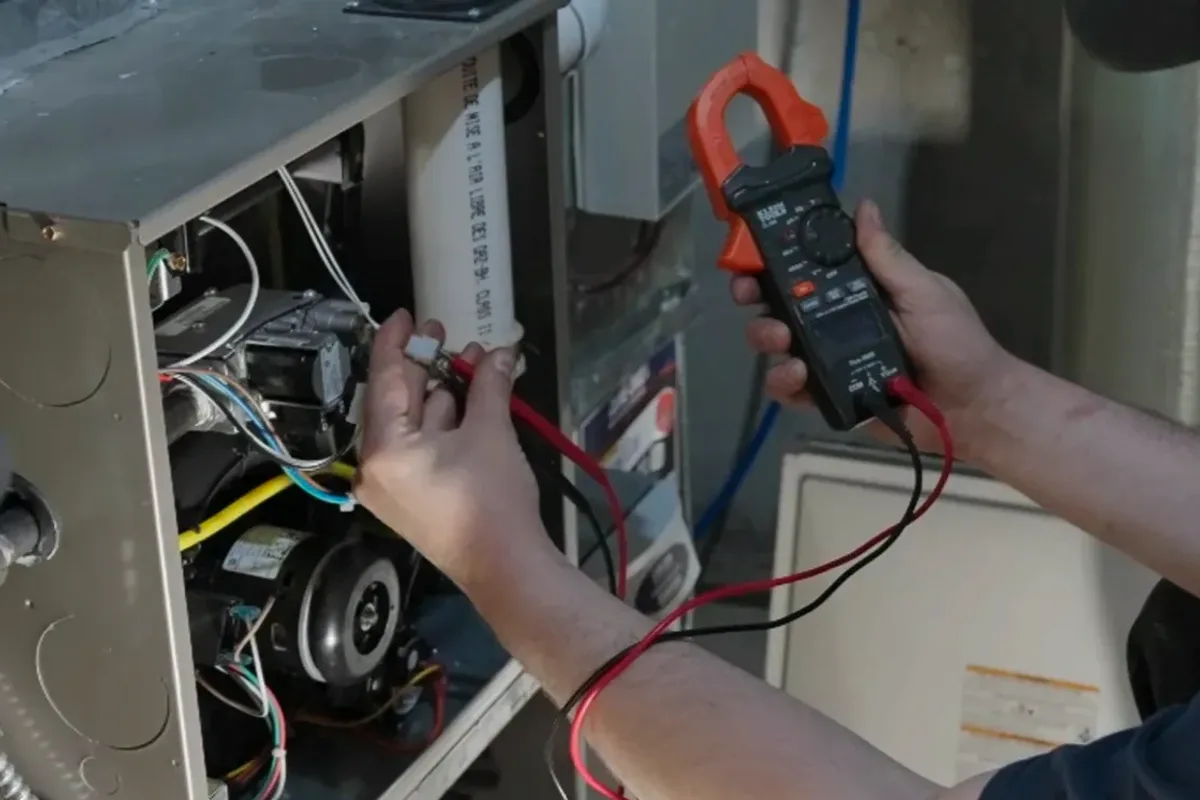
When a furnace will not start, produces little heat, or heats rooms unevenly, the symptom alone does not identify the failed part. Diagnosis can involve comparing thermostat calls with furnace operation, checking airflow and fault records, and measuring combustion or electrical conditions with appropriate instruments. Those findings help distinguish an ignition fault from a blower, control, or burner issue. Repair is one option; repeated failures, unavailable parts, or major component damage may make replacement worth assessing separately.
Note when the symptom occurs, whether the furnace starts a heating cycle, and any displayed fault code or unusual sound. A service assessment can compare those observations with equipment readings and the furnace’s model and service history. This matters because a failed igniter, restricted airflow, and a control fault call for different repairs and checks.
Ignition, burner, and furnace control diagnosis
Airflow and component inspection
Repair versus replacement assessment
Assessment and Scope
Questions for the Proposed Work
01
Use operating readings to locate the fault
A furnace that does not ignite needs different checks from one that lights but delivers weak airflow. A technician can compare the thermostat call, ignition sequence, burner operation, and blower response, then use combustion, pressure, or electrical measurements where applicable. Recorded readings help identify whether a component has failed or another condition is causing the symptom, rather than replacing parts based on noise or timing alone.
02
Treat maintenance as an inspection decision
A maintenance visit can examine airflow, the filter’s condition, burner operation, thermostat response, and relevant safety controls. What needs attention depends on the furnace model, its condition, and manufacturer instructions; cleaning or adjustment is not automatically required for every component. If inspection finds a developing fault, its evidence can help decide whether a repair is appropriate before the furnace is needed for regular heating.
03
Compare repair with replacement when faults recur
A single repairable fault does not by itself establish that a furnace should be replaced. The decision changes when failures recur, a heat exchanger or other major part is damaged, or replacement parts are no longer available. Comparing the repair scope, equipment condition, and compatibility with the existing duct system helps clarify whether continued repair or planning a replacement is the more suitable project.
Compare the next step
Ask for the recurring failure to be connected to the operating sequence and prior repair record. Request the findings that support another repair and what will be tested afterward. Keep the original symptoms visible in the request so a temporary return of heat is not mistaken for a documented resolution.
Leave burner, fuel, venting, electrical, and internal equipment work to a qualified contractor. Do not bypass a safety switch or repeatedly reset a furnace.